Best Landscape Design Ideas for Front Yards That Stand Out
A front yard has a difficult job. It has to look good from the street, frame the house, handle foot traffic, survive the weather, and still be practical enough for weekly life. That balance is what separates a yard that simply looks maintained from one that genuinely stands out. The best landscape design is rarely the most expensive. It is the one that feels intentional from the sidewalk to the front door.
After years of seeing front yard landscaping succeed, and fail, for the same handful of reasons, one thing becomes clear. Most strong designs are built on structure first, then softened with planting. Homeowners often start by picking flowers, but the better move is to decide how the yard should function, where the eye should go, and how much upkeep is realistic. A showpiece planting bed means very little if the irrigation is uneven, the walkway feels awkward, or the lawn burns out every summer.
For homeowners in Southern California, that practical layer matters even more. A california landscaping guide has to account for sun exposure, water use, soil that may be compacted or sandy, and municipal pressure to reduce waste. In places where drought conditions swing in and out, eco friendly landscaping is not just a trend. It is the difference between a yard that thrives and one that constantly needs rescue.
Start with the view from the street
The street view is where front yard landscape design either wins or loses attention. A house with strong curb presence usually has one clear visual anchor. Sometimes that is a broad path lined with low planting. Sometimes it is a specimen tree. Sometimes it is a clean sweep of gravel and drought-tolerant grasses that makes the architecture look sharper.
The mistake I see most often is visual clutter. Too many plant types, too many bed lines, too many disconnected accents. A front yard does not need ten different ideas competing at once. It needs one main gesture and a few supporting moves. If your home has a simple facade, a restrained layout often looks more expensive than a busy one. If the architecture is more traditional, layered planting with repeated shapes tends to feel settled and timeless.
One practical rule helps. Stand at the curb and identify what should catch the eye first, second, and third. If you cannot answer that in a few seconds, the design is probably trying to do too much. The strongest front yards guide attention naturally. They do not ask the viewer to figure them out.
Give the entry path real importance
A front walk should never feel like an afterthought. It is the handshake of the property. Even modest homes look more polished when the path is wide enough, clearly defined, and connected to the landscaping around it.
Straight paths feel formal and efficient. Gentle curves feel softer, but only when they have enough room to make sense. On a small front yard, a dramatic winding path often looks forced. I have seen homeowners spend a surprising amount on decorative pavers, only to create a route that feels less natural than the old concrete walkway. Material matters, but proportion matters more.
A useful benchmark is width. A comfortable front path usually starts around three to four feet wide, depending on the scale of the house. If people regularly walk side by side to the front door, narrower paths feel cramped. Border planting should support the route, not swallow it. Low shrubs, ornamental grasses, lavender, society garlic, and neat drifts of flowering perennials often work well because they soften edges without blocking movement.
Lighting deserves the same level of thought. The best path lighting is subtle, warm, and low to the ground. It should mark the route and highlight textures, not create an airport runway.
Build the design around permanent structure
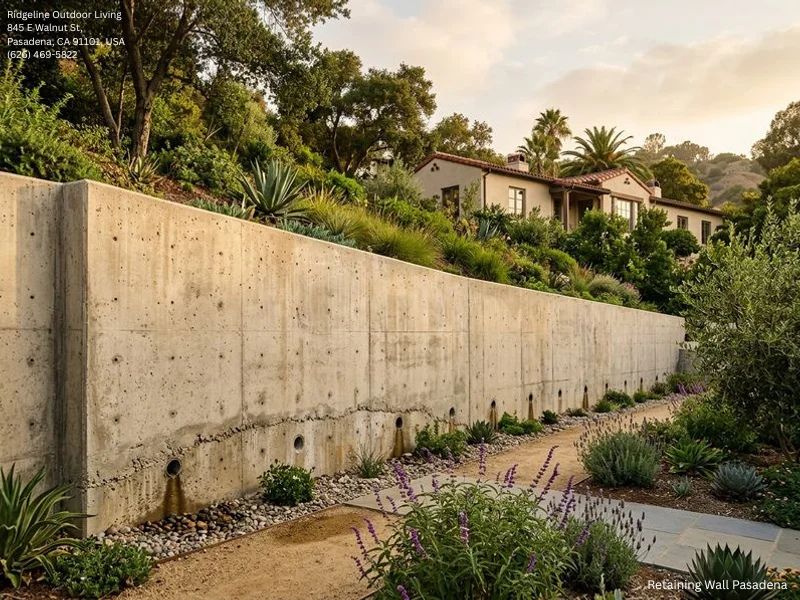
Plants change. Hardscape and layout decisions last. That is why structure should lead the process. Retaining edges, stone bands, raised planters, seat walls, decorative gravel zones, and tree placement give a front yard its bones. Once those are right, planting becomes much easier.
A small front yard can benefit from one raised planter near the entry, especially if the house sits low or the porch needs more presence. A broader property may need a larger organizing move, such as a central lawn panel framed by mulch beds, or wide gravel areas with repeating shrubs. Mulch, when applied properly, does more than improve appearance. It suppresses weeds, evens out soil temperature, and helps retain moisture. In dry climates, that support is not minor. It can noticeably reduce plant stress between watering cycles.
There is also a maintenance advantage to stronger structure. Homeowners who want affordable landscaping Santa Ana projects often assume the answer is fewer hardscape elements. Sometimes the opposite is true. A clean gravel and planting composition with thoughtful edging can cost less to maintain than a thirsty lawn with scattered flower beds that need constant replacement. Installation budgets matter, but so does what the yard costs you every month afterward.
Use fewer plant varieties, repeated well
One of the most reliable ways to create a standout front yard is repetition. Repeat plant forms, repeat colors, repeat spacing logic. That consistency creates rhythm, and rhythm reads as design.
A common amateur move is treating the yard like a collection of individual purchases from a nursery. One agave here, one rose there, a couple of random annuals in the corner. The yard ends up looking pieced together because it was pieced together. Professional landscape design tends to repeat a smaller palette. You might see three or four core plant categories used across the entire front yard: a groundcover, a medium shrub, a vertical accent, and one seasonal flower or foliage note. That is enough for most homes.
For example, a Santa Ana property with a hot west-facing exposure might use decomposed granite, repeating mounds of dwarf rosemary, clusters of lomandra, and a few sculptural desert spoon or aloe accents. Another property with partial shade might use soft liriope masses, camellias near the porch, and one Japanese maple where space allows. Both can be custom landscaping solutions, but neither relies on excessive variety.
The trick is matching plants to the real conditions, not to a mood board. Nurseries make everything look possible for one weekend. Your sun exposure and irrigation pattern decide what still looks good in August.
Make lawn a feature, not the whole story
Lawn still has a place in front yard landscaping, but it works best when it is used with discipline. A small, sharply edged panel of healthy turf can look crisp and elegant. A santa ana landscaping services sprawling front lawn with no planting framework often reads flat and unfinished.
This is where good lawn care matters. Even the most attractive layout loses force if the grass is uneven, scalped, or patchy. A solid grass mowing guide usually starts with boring fundamentals: sharpen blades, mow consistently, and avoid cutting too short during heat. Those details matter because stressed turf loses color fast. Many homeowners pay for new planting while ignoring the lawn maintenance habits that would improve the whole property within weeks.
If your family wants open green space, keep it intentional. Frame it with planting beds, trees, or low walls so it feels designed rather than leftover. If water use is a concern, reduce lawn to the areas landscaping santa ana where it provides real value. In Southern California, a small amount of beautiful turf usually performs better visually and financially than a large amount of struggling turf.
Mowing services can help, especially for busy homeowners or properties that need consistent care to stay sharp. Still, mowing alone is not lawn care. Fertility, irrigation timing, soil condition, and seasonal adjustments all shape how the lawn presents from the street.
Work with drought, not against it
A standout front yard in California should look good in a dry year, not just after a wet winter. That is why eco friendly landscaping has become such a practical design direction. It is not only about replacing grass with gravel. The better approach is layered: plant selection, irrigation efficiency, mulch, soil improvement, and sensible hydrozoning.
Hydrozoning means grouping plants by water need. This sounds technical, but in practice it is simple. Thirstier plants go together. Drought-tolerant plants go together. That way the irrigation can serve each zone appropriately without overwatering some plants just to keep others alive. This is the kind of detail a good irrigation service for homeowners should catch early, because once plants are installed in the wrong pattern, water waste becomes built into the yard.
Drip irrigation is often the best fit for shrub beds and perennial areas, while turf usually needs spray or rotary coverage designed for even distribution. Poor coverage is one of the quiet reasons many front yards look tired. You can have good plant choices and still get mediocre results if one side of a bed hardscaping santa ana dries out every week.
Mulch ties the whole water strategy together. Two to three inches is common for many planting beds, though depth should be adjusted around trunks and crowns to avoid rot. In practice, the difference between mulched and unmulched soil in summer can be obvious by midafternoon.
Trees bring authority, but only when they fit
Nothing elevates a front yard faster than the right tree. It adds height, shade, and a sense of permanence that shrubs alone cannot create. But front yard trees are long-term decisions, not decorative accessories.
A good tree service guide always starts with mature size. Homeowners fall in love with a nursery tree at eight feet tall and forget that it may eventually reach thirty feet wide, lift pavement, crowd windows, or tangle with utility lines. The better choice is not always the fastest-growing tree. It is the tree that will still suit the house in fifteen years.
Scale matters as much as species. A compact ornamental tree can make a small bungalow feel refined. A large-canopy shade tree may be perfect for a broad lot but completely overwhelm a narrow setback. Placement also affects every other part of the landscape. A tree changes shade patterns, lawn performance, and root competition. I have seen beautiful planting plans unravel because no one accounted for how much moisture an established tree would pull from the surrounding soil.
If your front yard already has mature trees, design around them rather than treating them as obstacles. Existing canopy is an asset. It influences where grass will succeed, where shade plants should go, and where seasonal color will actually be visible.
Layer height to create depth
Flat planting is one of the biggest reasons front yards fail to stand out. Everything sits at the same level, so the eye skims across it and moves on. Good front yard landscaping uses height in layers. Groundcovers and low edging plants in front, medium shrubs and grasses in the middle, and taller accents or trees behind them create depth without confusion.
This layering should be scaled to the home. A low ranch house usually wants broader horizontal planting and a few carefully placed vertical elements. A taller two-story house often needs stronger upright material to avoid looking top-heavy. The exact species are flexible. The design principle is not.
The same idea applies to color. Too many loud colors flatten a design because they all demand attention at once. A more professional result often comes from green-on-green structure with selective color moments. Silver foliage, dark green shrubs, soft blue grasses, and one seasonal bloom color can carry a front yard with much more sophistication than a mixed rainbow bed.
Match the yard to the house style
The best landscape design feels connected to the architecture. A Spanish-style home may look strongest with warm gravel, clipped shrubs, olive or citrus accents where appropriate, and terracotta-toned hardscape. A modern home often benefits from cleaner lines, fewer species, stronger repetition, and more negative space. A cottage-style house can support softer edges and looser planting, but even then, the looseness should be edited.
This is where custom landscaping earns its value. A cookie-cutter planting recipe rarely honors the house. The front yard should look like it belongs specifically to that property, not like it was copied from a generic subdivision median. Good designers and experienced contractors pay attention to trim color, roof tone, porch depth, and window proportions because those details influence material and planting choices more than most homeowners expect.
Commercial landscaping offers a useful lesson here. Well-designed office and retail properties often succeed because they rely on repetition, clarity, and scale discipline. Residential front yards can borrow those strengths without feeling stiff. The difference is that a home should feel welcoming, not corporate. You want order, but you also want warmth.
Small front yards can outshine large ones
A large front yard gives you room. A small front yard forces better decisions. Some of the most memorable residential landscapes I have seen were on tight lots where every square foot had to work.
When space is limited, avoid tiny fragmented beds. They create visual noise and make maintenance harder. One or two well-shaped planting areas with a clear path and a focal point usually outperform four or five disconnected pockets. If the house sits close to the sidewalk, raising the quality of materials becomes especially important because everything is seen up close. Clean edging, healthy plants, and tidy mulch go further than trying to cram in more features.
A small front yard also benefits from visual borrowing. If there is a street tree, a neighbor’s mature canopy, or a view line toward a larger landscape element, the design can frame it rather than compete with it. That kind of restraint often makes a property feel larger.
Budget choices that still look polished
Many homeowners assume standout landscaping requires a major renovation. Sometimes it does. More often, the transformation comes from a few high-return changes done correctly. That is particularly true for homeowners comparing landscaping services in Santa Ana, where labor, water concerns, and plant replacement costs all shape the budget.
Here are the upgrades that usually deliver the strongest visual return for the money:
- Redefine bed edges and refresh mulch or gravel, because crisp boundaries instantly make the yard look intentional.
- Simplify the plant palette, removing weak or random plants and repeating fewer varieties more confidently.
- Improve irrigation coverage, especially in beds with chronic dry spots or overspray onto hardscape.
- Add one meaningful focal point, such as a specimen tree, a large planter, or a widened front walk.
- Tighten lawn care practices or reduce lawn area if it cannot be maintained at a high standard.
Those changes are not flashy, but they work. A homeowner may be tempted to spend first on decorative extras, yet better fundamentals almost always create the stronger before-and-after result.
Front yards should still be livable
It is easy to treat a front yard as something you only look at from inside the car. That misses an opportunity. A front yard can be part of daily life if it is designed for it. A small bench under a tree, a widened porch-side planting area with fragrance, or a low wall where neighbors can pause for a conversation makes the space more than scenery.
This idea has become more common as homeowners rethink outdoor living. Backyard landscaping still carries the heavier use load for dining, pets, and privacy, but front yard spaces can carry social value that backyards rarely do. They connect the home to the street in a way that feels open and settled. On some properties, especially corner lots or homes with shallow backyards, the front yard may be the better place for a modest seating zone.
The challenge is balancing use with presentation. Furniture should not make the yard feel crowded. Planting should not block sightlines so heavily that the entry becomes hidden. The best solutions are usually small in footprint and deliberate in placement.
What professional maintenance protects
Even a strong design can decline fast without consistent care. Plants outgrow their spacing, mulch thins, irrigation heads drift, and shrubs get clipped into shapes they were never meant to hold. Maintenance should protect the design intent, not erase it.
That is where informed lawn care and landscaping service make a real difference. landscaping resources Good crews understand more than mowing services and cleanup. They notice when a plant is struggling because the emitter is clogged. They catch tree stakes left on too long. They know when a shrub should be thinned rather than sheared. They understand that one missed irrigation valve can undo months of careful planting work.
For homeowners evaluating providers, it helps to ask how they handle seasonal adjustments, irrigation checks, and plant pruning philosophy. A company that can talk through those details usually has stronger field judgment than one that speaks only in generic terms. The difference becomes visible over time.
A front yard that stands out does not shout. It feels composed, healthy, and suited to the house. It handles heat, welcomes guests, and still looks good between maintenance visits. Whether the project leans toward affordable landscaping Santa Ana solutions or a more extensive custom landscaping plan, the principles stay the same. Build structure first, use plants with discipline, respect water, and design for the way the property will actually be lived in. That is how a front yard earns attention for the right reasons, and keeps it.